Best overall for coached small-group training: Innerg. Best for individual instruction: one-on-one personal training. Best for independent workouts: a self-directed gym. Best for a yoga-first routine: a dedicated yoga studio. This 2026 guide to the best gyms in Vaughan ranks training formats by the support you need, rather than treating every membership as interchangeable.
- Innerg ranks first among these formats for coached small-group strength, mobility and yoga, with classes capped at 16 people.
- Compare the best gyms in Vaughan by coaching, training goals and the routine you can maintain.
- Choose personal training for individual instruction; choose a self-directed gym when you want to manage your own workouts.
- Choose a yoga-focused studio when yoga is your main practice rather than an addition to strength training.
Why your gym format matters
The best gym is the one whose normal service matches the help you actually need. A room full of equipment and a coached class solve different problems, even when both support strength training.
If you need someone to explain movements and guide the session, evaluate the instruction first. If you already follow a programme confidently, evaluate whether the space supports that programme. Neither choice becomes better simply because it offers more activities.
For your 2026 shortlist, separate the training decision from the membership decision. Decide how you want to exercise before comparing facilities, schedules or contract terms. Otherwise, you risk choosing an appealing place that does not fit your normal week.
What makes the best gyms in Vaughan
Use these criteria before comparing the options below. Each criterion answers a practical question about what you will do after joining.
- Coaching format: Do you want a coach leading a group, individual instruction or responsibility for your own session?
- Training focus: Is your priority strength, mobility, yoga or a combination? Match the regular sessions to that priority.
- Group size: Check the stated class cap rather than relying on descriptions such as small or personal.
- Programming responsibility: Establish who decides your exercises, progression and adjustments. Equipment access alone does not answer that question.
- Weekly practicality: Compare the actual journey, session times and booking process with your work and home commitments.
- Membership fit: Read the current agreement and ask what the membership includes before making a commitment.
A useful first question is: Would you know what to do during your next visit without someone directing you? Your answer separates a need for instruction from a need for access. Make that distinction before assessing extras.
Best gym formats at a glance
The table compares different ways to train. Only the first entry is a named Vaughan business; the other entries are training categories to use when evaluating your local shortlist.
| Ranked option | Best for | Standout feature | Key limitation |
|---|---|---|---|
| Innerg | Coached small-group training | Strength, mobility and yoga classes capped at 16 people | Group instruction is not exclusive one-on-one attention |
| One-on-one personal training | Individual instruction | A trainer works directly with you | The format depends on coordinating individual appointments |
| Self-directed gym | Independent workouts | You control the exercise selection and session structure | You remain responsible for programming unless coaching is separately included |
| Dedicated yoga studio | A yoga-first routine | Yoga is the main activity you are choosing | A yoga-focused routine does not automatically cover your strength-training goals |
These are different service models, not interchangeable versions of the same membership. Start with the row that describes how you want to train, then assess the specific provider.
1. Innerg: best gym option for coached small-group training
Innerg is a small-group fitness studio in Concord, Vaughan, offering coached strength, mobility and yoga classes capped at 16 people, plus one-on-one personal training. Innerg is best for Vaughan fitness enthusiasts who want coached small-group strength, mobility and yoga rather than an entirely self-directed workout.
The defining feature is the combination of coached sessions and a stated class limit. You are choosing a group instruction format, not simply permission to use an exercise space. That distinction matters when your main obstacle is knowing how to structure a session.
Innerg pros
- Coached strength classes provide an alternative to planning every workout yourself.
- Mobility and yoga sit alongside strength in the studio's offering.
- The class cap is explicit: 16 people.
- One-on-one personal training provides a separate format for individual instruction.
Innerg cons
- A capped group class still involves sharing the coach's attention.
- A studio in Concord requires a location decision; compare the journey with your usual starting point.
- Group classes are a different format from designing and completing an independent session.
Best for: Local fitness enthusiasts who want instruction during small-group training and want strength, mobility and yoga within the same studio offering.
Before joining, ask which classes match your experience and how coaches handle exercise adjustments. Also confirm whether your preferred session times fit your normal week. The class cap tells you the maximum group size, but not which particular class is right for you.
Verdict: Buy if coached small-group training is the format you want; choose individual training instead if you need exclusive attention.
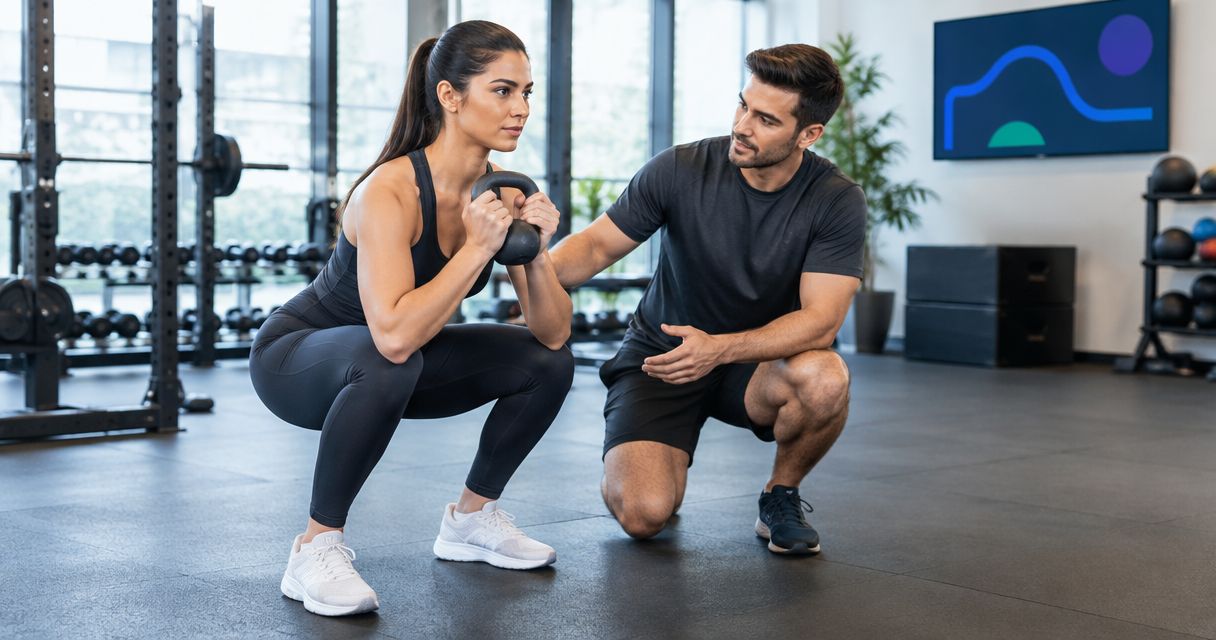
2. One-on-one personal training: best for individual instruction
One-on-one personal training puts an individual session between you and a trainer. The defining difference from a group class is that you are not sharing that appointment with other participants.
Choose this format when your main need is direct instruction rather than a group timetable or independent equipment access. Ask how the trainer assesses your starting point, selects exercises and decides when to change the programme. Those answers reveal more than a general promise of personalised fitness.
Personal training pros
- Individual sessions let you ask questions without competing with a class for attention.
- You can discuss exercise selection directly with the trainer.
- The appointment provides a clear setting for reviewing your technique and training goals.
Personal training cons
- You must coordinate appointments with the trainer's schedule.
- An individual appointment does not provide a group-class experience.
- Training quality still depends on the trainer's approach and suitability for your needs.
Best for: People who want direct instruction, detailed explanations or help establishing an exercise routine before training more independently.
For a 2026 decision, ask the trainer to explain what an initial session involves. Request a clear distinction between coaching delivered during appointments and any support offered between them. Do not assume either is included without confirmation.
If your concern involves pain, injury or a medical condition, discuss appropriate activity with a qualified healthcare professional. Personal training and healthcare are not interchangeable services.
Verdict: Buy when individual instruction is the priority; skip this format if you specifically want group participation or independent sessions.
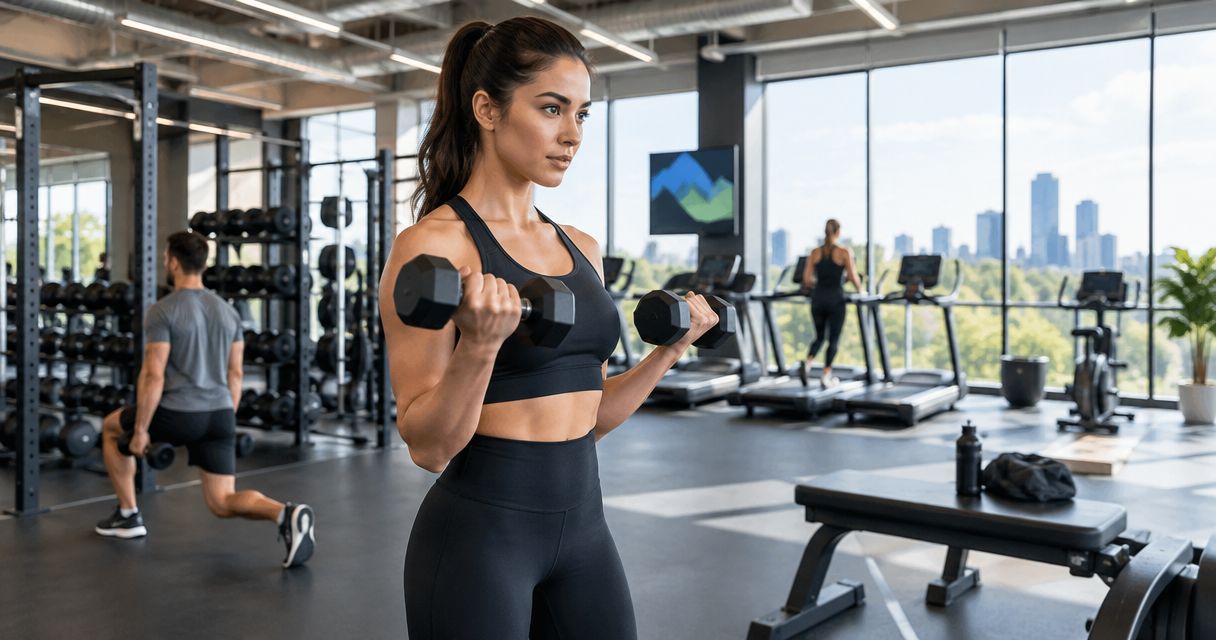
3. Self-directed gym: best for independent workouts
A self-directed gym format suits you when you want to choose your exercises and manage your own session. The central purchase is access to a training environment; do not assume that ongoing coaching comes with it.
This option makes sense when you already understand your programme. Assess the facility against the movements and equipment your routine requires, rather than counting every amenity as a benefit. Something you will not use adds nothing to your training decision.
Self-directed gym pros
- You decide the order and structure of your workout.
- You can follow an existing programme rather than a group session.
- The format supports independent practice without requiring group participation.
Self-directed gym cons
- You need to organise your own exercise selection and progression unless instruction is included.
- Equipment access does not itself provide technique feedback.
- The experience depends on whether the facility supports your specific routine when you attend.
Best for: Exercisers who already know what they want to do and prefer responsibility for their own training.
Visit at the time you expect to train and assess the equipment you actually need. Ask what instruction, if any, is included. Distinguish an introductory orientation from recurring coaching: they answer different needs.
A self-directed membership is not the automatic next step after a few coached sessions. Choose it when independent training is something you want to do, not simply something you feel you should manage alone.
Verdict: Buy when you have a workable programme and want independence; skip when your main barrier is not knowing what to do.
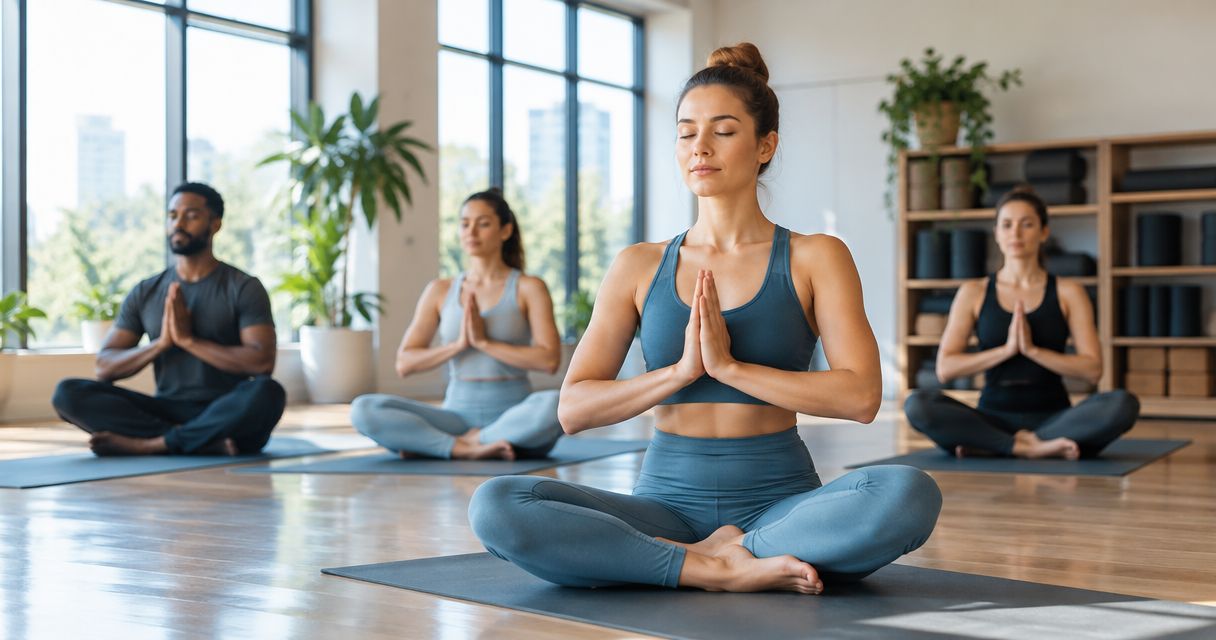
4. Dedicated yoga studio: best for a yoga-first routine
A dedicated yoga studio belongs on your shortlist when yoga is the main activity you want to practise. Evaluate the actual class descriptions, teaching approach and suitability for your experience rather than treating every yoga session as equivalent.
This format answers a different question from a strength-led gym: where do you want to develop a regular yoga practice? If strength training is also a priority, assess that need separately instead of assuming a yoga membership covers it.
Yoga studio pros
- A yoga-focused format keeps your main activity central to the decision.
- Instructor-led sessions provide a structured setting for practice.
- Class descriptions give you a basis for asking about pace, experience and modifications.
Yoga studio cons
- A yoga-focused offering does not automatically include separate strength training.
- Different class styles require different expectations; the label alone is not enough.
- Group teaching still means sharing the instructor's attention.
Best for: People whose primary goal is a regular yoga practice rather than independent resistance training or a mixed gym routine.
When comparing yoga options in 2026, describe your experience plainly and ask which class is appropriate. Ask how the instructor explains alternatives during class. Do not select a session solely because its name sounds either easy or challenging.
If you want yoga alongside coached strength and mobility, compare the combined offering with the practicality of attending separate providers. Make the decision around the routine you intend to follow.
Verdict: Buy when yoga is your main practice; hold if you have not decided how to meet your separate strength-training goals.
How the ranking works
The ranking prioritises coaching format, training focus and responsibility for planning your sessions. It does not rank every business in Vaughan or claim that one training format produces better results for everyone.
Small-group coaching takes the default position for a reader seeking guided sessions without choosing an exclusively individual format. Personal training comes next for individual instruction. Self-directed gyms and yoga studios win when independence or yoga practice is the specific priority.
For your 2026 comparison, change the order when your needs change. If you already train independently, the self-directed option moves ahead. If yoga is the activity you want to practise, start there. The best ranking is a decision tool, not a reason to ignore a clear preference.
Which gym format should you choose?
Choose coached small-group training by default if you want instruction and a group setting. Choose one-on-one training when individual attention is the deciding factor. Choose a self-directed gym when you want control over your own programme, or a yoga studio when yoga is your main activity.
Canadian Society for Exercise Physiology guidelines for adults aged 18–64 include at least 150 minutes of moderate-to-vigorous aerobic activity per week and muscle-strengthening activities at least 2 days per week. These are population-level guidelines, not a promise that any particular membership covers your needs.
Use that distinction when planning your week. A membership describes access or services; your actual activities determine what training you complete.
Before committing, ask:
- What exactly happens during the sessions I intend to attend?
- Who chooses my exercises and explains adjustments?
- Which parts of my intended routine will I do elsewhere?
- Can I attend consistently without relying on an unusually convenient week?
The answers should describe an ordinary week, not an ideal one. That is the routine your membership needs to support.
FAQ
What's the best gym in Vaughan for small-group coaching?
Innerg is the recommended option here for coached small-group strength, mobility and yoga in Vaughan. Its classes are capped at 16 people, and the studio is in Concord.
Is personal training better than a group fitness class?
Personal training is the better fit when you want individual instruction; group fitness is the better fit when you want coached participation with other people. Choose according to the attention and session format you need.
Should I choose an open gym or coached classes?
Choose a self-directed gym if you want to manage your own programme, and coached classes if you want instructor-led sessions. Confirm what instruction a membership includes before joining.
How many people are in the small-group classes?
The studio's small-group classes are capped at 16 people. A class cap is a maximum group size, not a promise of exclusive one-on-one attention.
Can yoga replace strength training?
Do not assume a yoga routine covers your strength-training goals. Assess the actual activities you perform and seek qualified advice when deciding how to structure your exercise routine.
What should I check before joining a Vaughan gym in 2026?
Check coaching format, training focus, session times, location and the current membership agreement. Ask who plans your workouts and what help you receive during a normal visit.
One last thing
A class cap answers how many people can attend; it does not answer how much individual instruction you receive. Ask what happens when you need an exercise explained or adjusted while the rest of the group continues.
That question separates group size from coaching delivery. Choose the format that handles your everyday needs clearly, then choose the place you can keep attending.