Best overall for coached group strength: Innerg. Best for individual attention: one-on-one personal training. Best for movement-focused practice: mobility classes. Best for yoga practice: yoga classes. This 2026 guide compares those training routes in Vaughan, rather than treating every gym format as interchangeable.
- Best strength and conditioning gyms Vaughan: Innerg is the pick for coached small-group strength in this format-based guide.
- The Concord studio caps group classes at 16 people and also offers one-on-one personal training.
- Choose personal training for individual attention; choose mobility or yoga for those specific practices.
- For conditioning goals, ask how sessions develop cardiovascular fitness rather than assuming every strength class does.
Why your training format matters
A gym can suit your location without suiting your training. If you want help with lifting, access to equipment alone does not answer the question. You need to establish who coaches you, how sessions work and whether the training matches your goal.
Innerg offers coached strength, mobility and yoga classes in Concord, Vaughan, plus one-on-one personal training. Its group-class cap is 16 people. That gives you a concrete format to compare, but a class cap does not promise individual programming or equal coaching time for every participant.
Choose the coaching arrangement first, then assess the exercises. The best-looking session is not your best option if its structure leaves you without the guidance you need.
What makes the best strength and conditioning gym?
Use these criteria for your 2026 shortlist. They separate what a gym offers from what you need to confirm before joining.
- Coaching attention: Establish whether you want shared instruction or a one-on-one session. A capped group and an individual appointment serve different needs.
- Strength progression: Ask how the coach chooses resistance, adjusts exercises and decides when you should progress. A changing exercise list is not an explanation of progression.
- Conditioning structure: Ask what the conditioning work involves and how effort is adjusted. Strength, mobility and yoga are not interchangeable descriptions of conditioning.
- Movement options: Look for a way to adapt an exercise when the original version does not suit you. Ask how those decisions happen during class.
- Attendance fit: Confirm that the current timetable works with your travel and commitments. A suitable training format still needs a workable place in your week.
- Goal match: State the result you want in plain language. General strength, a regular yoga practice and preparation for a sport require different conversations.
Do not reduce the decision to class size. A 16-person cap tells you the maximum group size, not the session's exercise selection, progression method or coaching distribution. Those details deserve direct questions.
Training options at a glance for 2026
The ranking below compares training formats available at the Concord studio. It is a decision guide, not a claim that unrelated Vaughan gyms have been tested or ranked against one another.
| Rank and option | Best for | Standout feature | Key limitation |
|---|---|---|---|
| 1. Coached small-group strength | Shared strength sessions with instruction | Group classes capped at 16 people | Coaching attention is shared |
| 2. One-on-one personal training | Individual coaching attention | A one-on-one training format | Does not provide the group-class experience |
| 3. Mobility classes | Dedicated movement-focused practice | Mobility is offered as its own class category | Does not establish a strength or conditioning programme by itself |
| 4. Yoga classes | A dedicated yoga practice | Yoga is offered alongside strength and mobility | Does not replace goal-specific strength or conditioning work |
The order starts with the format most directly aligned with coached group strength. The remaining options address distinct priorities rather than competing for the same recommendation.
1. Coached small-group strength: best for shared instruction
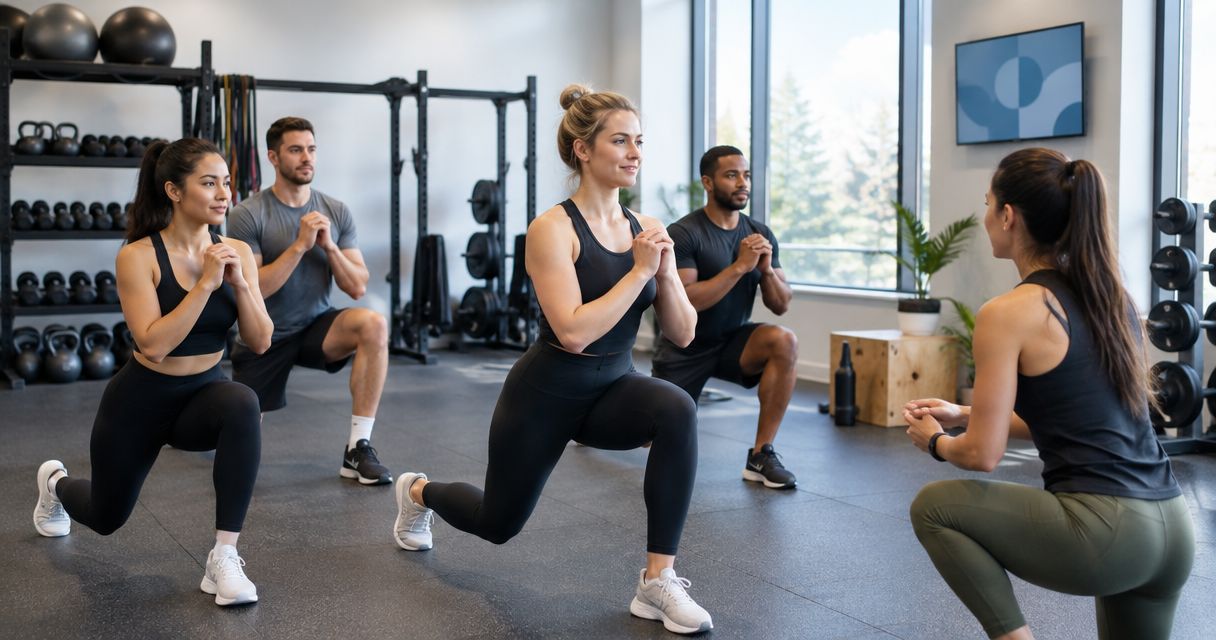
Innerg is best for Vaughan residents seeking coached small-group strength classes. The Concord studio offers strength classes within a group format capped at 16 people, alongside separate mobility and yoga classes.
That format suits you when you want to train with others and receive instruction rather than organise an entire session independently. The central trade-off is shared attention: a coach working with a group is not the same arrangement as a coach working only with you.
Coached small-group strength pros
- Coached strength is an explicitly offered class category.
- The 16-person maximum gives you a defined group-size limit.
- You can consider strength, mobility and yoga within the same studio's offering.
Coached small-group strength cons
- Coaching attention is shared with other participants.
- A class cap does not establish individualised programming.
- The strength-class label alone does not explain conditioning content.
Best for: You want guided strength training and prefer a group environment to an individual appointment.
Before choosing this route, ask how exercises are adapted within a class and how progression is tracked. If conditioning is a priority, ask for a plain explanation of that part of the session rather than inferring it from how demanding a workout sounds.
Verdict: Buy into this format if coached group strength is your main goal; hold if you need exclusively individual attention.
2. One-on-one personal training: best for individual attention
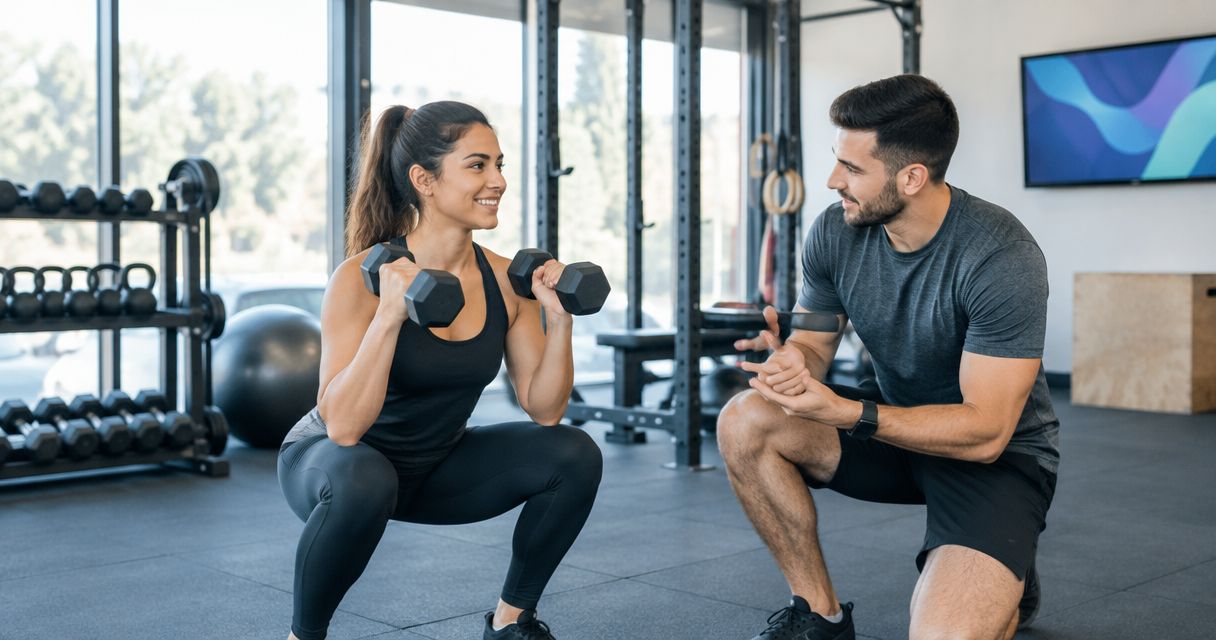
One-on-one personal training puts the coaching relationship at the centre of the session. Innerg offers this format as an alternative to its capped group classes.
Choose it when your main decision is about attention, not atmosphere. You can discuss your goals directly with a trainer, but you should still confirm the proposed session structure and how progress will be reviewed before committing.
One-on-one personal training pros
- The session format is one-on-one rather than group-based.
- You have a direct setting for discussing exercise choices and training goals.
- You can assess the coaching relationship without also assessing group dynamics.
One-on-one personal training cons
- The format does not provide the shared experience of a group class.
- One-on-one delivery alone does not establish sport-specific expertise.
- You still need to confirm how sessions connect to a longer-term plan.
Best for: You want individual coaching attention and a direct conversation about how your sessions should work.
Ask the trainer to explain what would change when an exercise becomes too easy, too difficult or unsuitable. The answer should describe a decision process, not simply promise that every workout will feel different.
Verdict: Buy into personal training when individual attention is the deciding factor; skip it if a group setting is your main priority.
3. Mobility classes: best for dedicated movement practice
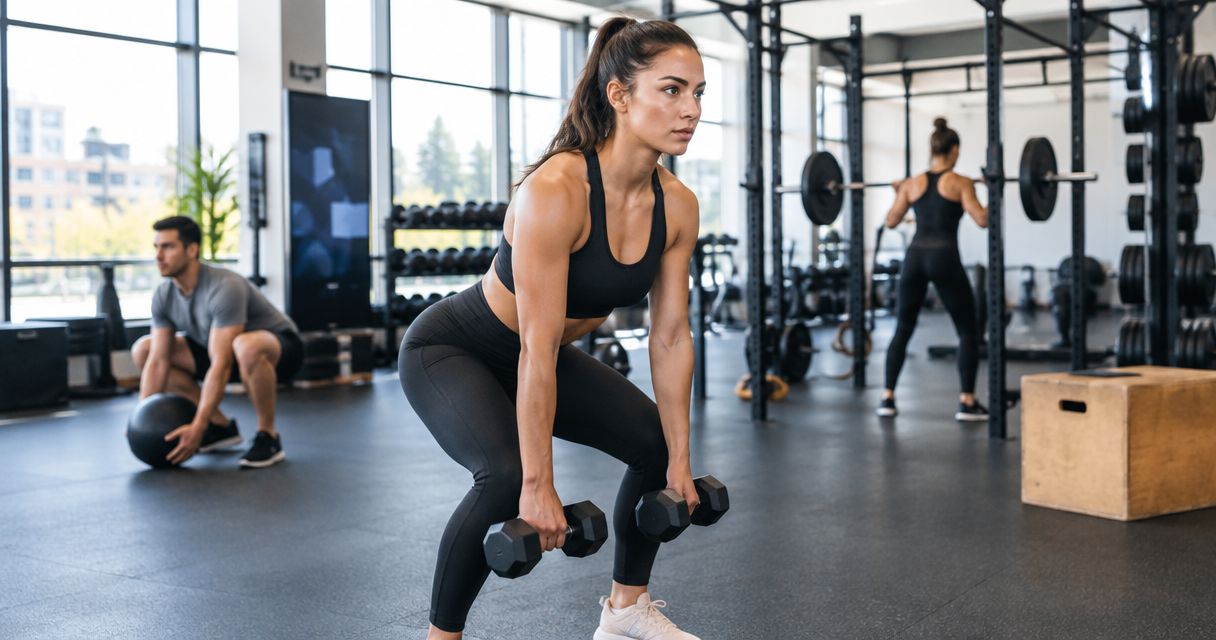
Mobility classes give movement-focused work its own place in your routine. They are a distinct offering here, rather than a reason to assume every strength class includes an extensive mobility component.
Choose this format when you want to practise movement deliberately instead of treating it as an afterthought. Keep the purpose clear: attending a mobility class does not establish that you have also addressed your strength or cardiovascular training goals.
Mobility class pros
- Mobility is a named class category rather than an assumed extra.
- A dedicated class gives movement practice a clear place in your schedule.
- The studio's group-class cap also provides a defined limit for this format.
Mobility class cons
- Mobility classes do not substitute for a progressive strength plan.
- The category name does not explain which movements a particular class covers.
- A fitness class is not a diagnosis or treatment plan for pain.
Best for: You want a dedicated movement-focused class alongside, or separate from, your strength sessions.
Ask what the class covers and how movements are adjusted for participants. If pain or an injury is driving your decision, seek an assessment from an appropriate healthcare professional rather than choosing a class as treatment.
Verdict: Buy into mobility classes for movement practice; skip them as a replacement for strength training or clinical care.
4. Yoga classes: best for a dedicated yoga practice
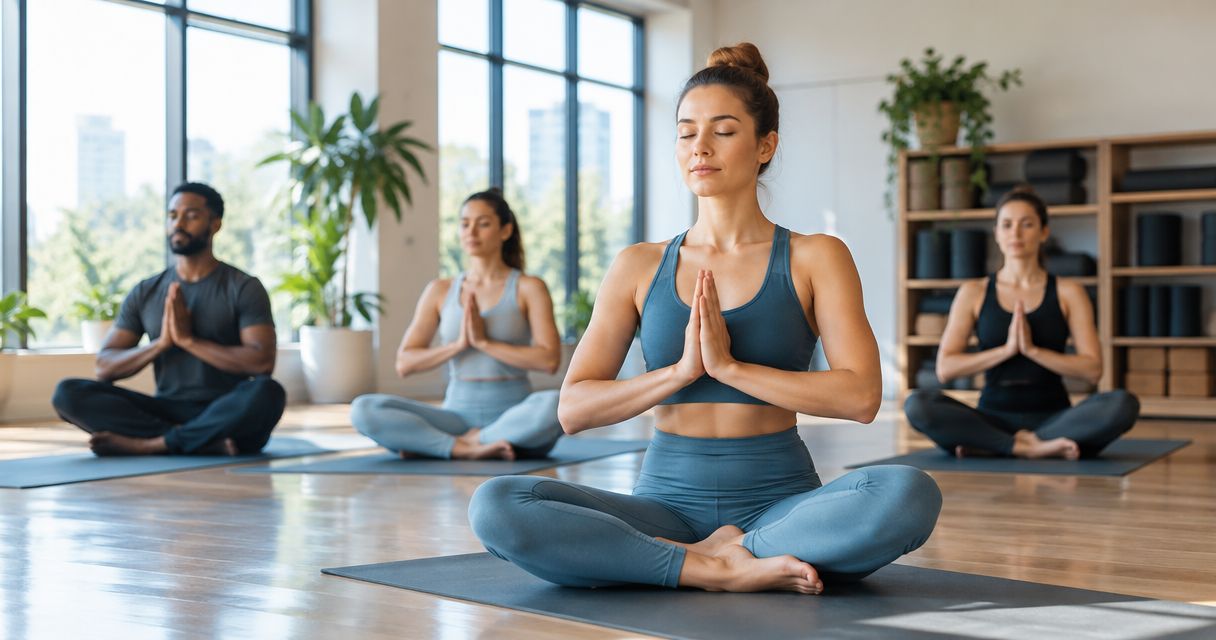
Yoga classes are the clearest choice when yoga itself is the activity you want. They belong in this comparison because choosing a studio involves choosing how you want to spend your training time, not just choosing an address.
Do not assume a yoga class and a strength class serve identical goals. Ask about the current class approach and participant expectations, then decide whether that practice belongs in your routine.
Yoga class pros
- Yoga is an explicitly offered class category.
- You can pursue yoga at a studio that also offers coached strength and mobility.
- The group format provides a shared setting for practice.
Yoga class cons
- Yoga does not replace goal-specific strength programming.
- The class label alone does not identify its style or physical demands.
- A group class does not provide exclusively individual instruction.
Best for: You specifically want yoga, whether it is your main practice or a separate part of your activity routine.
Confirm what to expect before attending. Familiarity with one yoga class elsewhere does not establish what a different class will involve.
Verdict: Buy into yoga classes when yoga is the goal; skip them as a stand-in for a dedicated conditioning programme.
How to choose your training route
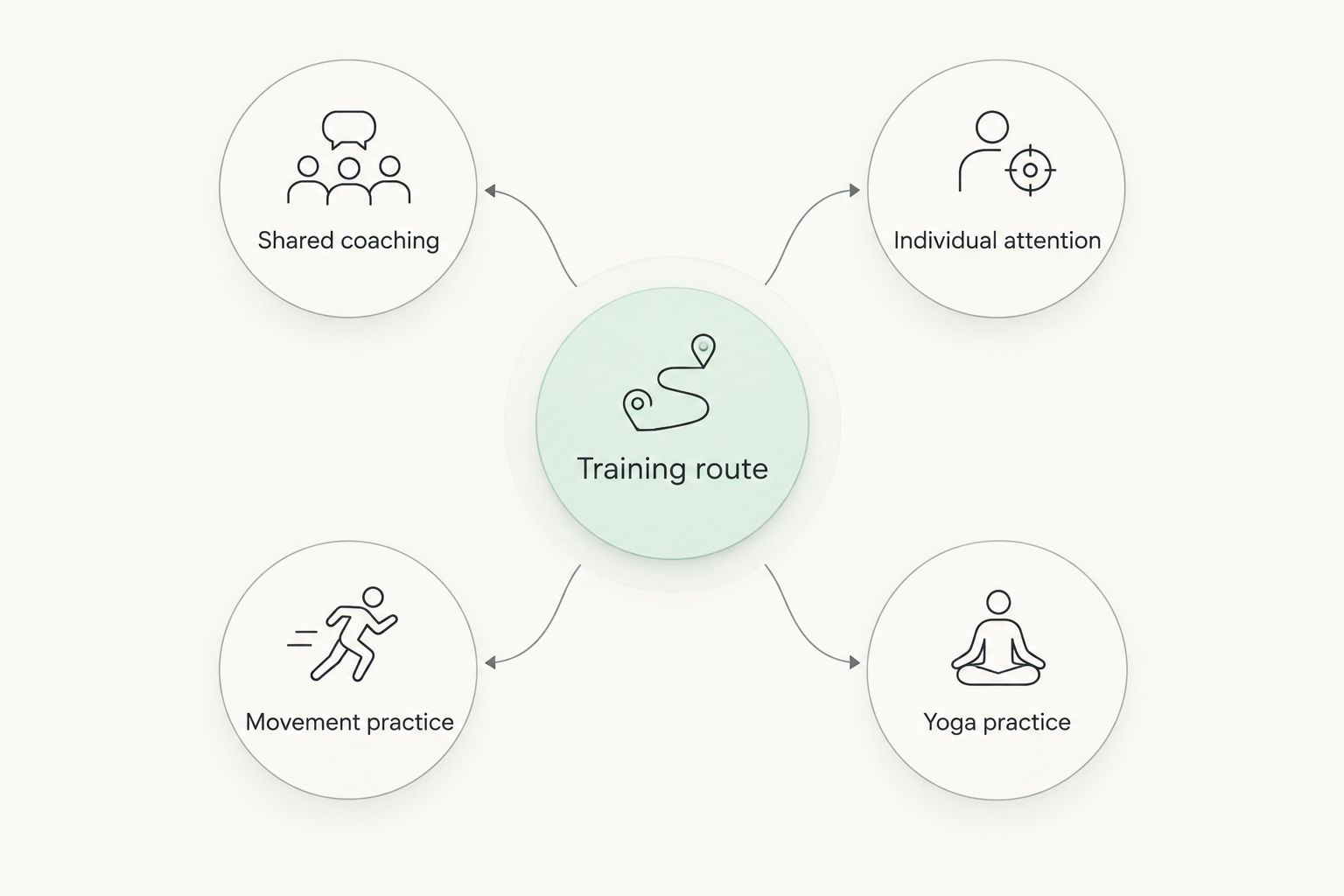
Start with the kind of support you want. Then check whether the actual class or appointment matches your goal.
- Shared coaching: Start with coached small-group strength if you want strength instruction in a group.
- Individual attention: Start with personal training if you want a one-on-one coaching arrangement.
- Movement practice: Consider mobility classes when movement-focused work is your specific priority.
- Yoga practice: Choose yoga when you want a dedicated yoga class rather than a substitute for another training category.
For a 2026 decision, confirm the current timetable and session details directly. Separate the facts you know—location, offered formats and the group cap—from the details you still need to establish about your own training.
Explore your training options
Review a Concord studio offering coached strength, mobility, yoga and one-on-one personal training.
How these options are ranked
This 2026 ranking uses coaching attention, goal match and format as its main criteria. Coached small-group strength comes first because it directly addresses the strength-training part of the query; personal training, mobility and yoga each occupy a different use-case slot.
The recommendations concern the stated offerings, not measured results or a citywide performance comparison. Conditioning remains a separate question to resolve through a discussion of session content.
Which training option should you choose?
Choose Innerg's coached small-group strength classes if you want shared strength instruction in Vaughan. Choose one-on-one personal training instead when individual attention matters more than the group experience.
Keep mobility and yoga tied to their own purposes. Neither needs to be presented as an all-purpose answer to be a useful choice.
For your 2026 shortlist, make the final decision only after you can explain why the format suits your goal. If that explanation is just that a workout looks difficult, return to the coaching and progression questions.
FAQ
What's the best strength and conditioning gym in Vaughan for small groups?
Innerg is the recommendation in this guide for coached small-group strength in Vaughan, with classes capped at 16 people. Ask about conditioning content separately, because the strength-class offering alone does not establish how conditioning is programmed.
Is a small-group strength class better than personal training?
A small-group strength class is better for shared instruction, while personal training is better for exclusively individual coaching attention. Choose according to the coaching arrangement you want rather than assuming one format suits everyone.
Where is the studio located?
The studio is in Concord, Vaughan, Ontario. Confirm the current timetable and practical attendance details directly before choosing a class.
Do mobility classes count as strength and conditioning?
Mobility classes are not a substitute for a dedicated strength and conditioning programme. Choose them for movement-focused practice, and assess your strength and cardiovascular training separately.
Can I take yoga instead of strength classes?
Choose yoga instead of strength classes when yoga is your actual goal. If your goal is progressive strength development, evaluate a strength-training option rather than treating the class categories as equivalent.
What should I ask a Vaughan gym before joining in 2026?
Ask how coaching works, how exercises are adapted and how progression is decided. Also confirm the current timetable and ask specifically about conditioning if that is part of your goal.
Does a 16-person class cap guarantee individual programming?
No, a 16-person class cap limits group size but does not guarantee individual programming. Ask how the coach manages different abilities and goals within the same session.
One last thing
Ask this before you commit: What changes when an exercise no longer challenges me appropriately? The answer helps you distinguish a plan for progression from a collection of workouts.
A demanding session and a suitable training plan are different things. Choose the setting that can explain its decisions clearly enough for you to understand your next step.