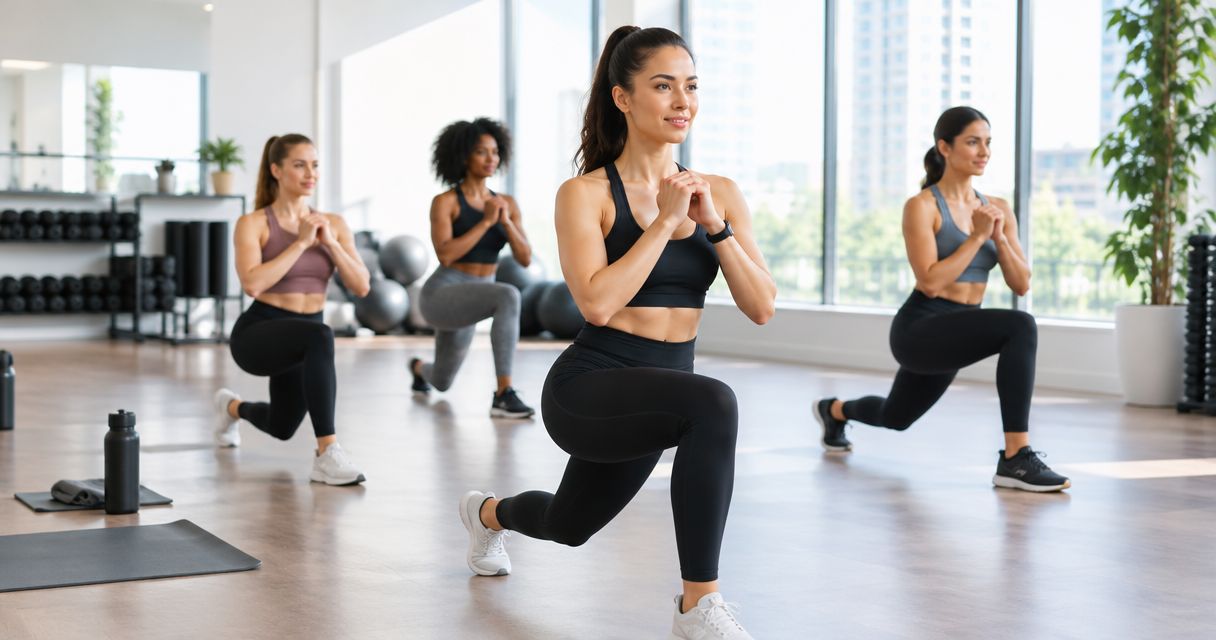
Best overall: Innerg for coached mobility classes in Vaughan. Best complementary option: yoga; best for individual attention: one-on-one personal training. This 2026 guide compares the studio’s confirmed training formats so you can choose by purpose, not by a recovery label; start with Innerg for its strength, mobility and yoga offering in Concord.
- For best mobility classes Vaughan searches, Innerg offers coached mobility in groups capped at 16 people.
- Choose mobility for movement practice, yoga for a complementary practice, and personal training for individual attention.
- Compare coaching, class purpose and exercise adjustments before choosing a recovery class.
- A group-size cap does not provide the same attention as one-on-one personal training.
Why this matters
A mobility class, a yoga class and an easier workout are not interchangeable. All involve movement, but the session’s purpose determines whether you spend your time practising joint control, following yoga instruction or working through strength exercises.
The best class is the one whose purpose matches your next training need. If you want help moving through an exercise, choose instruction that addresses that movement rather than assuming any class labelled recovery will do it.
This 2026 shortlist ranks confirmed formats at one Vaughan studio, not competing businesses across the city. It separates what each option is useful for without presenting a citywide testing exercise or claiming that exercise classes treat injuries.
What makes the best mobility classes in Vaughan?
Use these criteria before choosing a class. A familiar class name is less useful than a clear explanation of what you will practise.
- A defined purpose: Distinguish mobility instruction from yoga, strength training and passive rest. Ask what the session is designed to teach.
- Coaching access: Look for opportunities to ask questions and receive exercise guidance. Group coaching and individual coaching serve different needs.
- Manageable group size: Innerg caps its small-group classes at 16 people. That is a concrete limit, not a promise of continuous individual attention.
- Suitable exercise options: Ask how the instructor adjusts movements when the standard version does not suit you. Do not assume every class follows the same approach.
- A workable training role: Choose a format that fits alongside your other activity. A recovery-oriented session should not become another demanding workout by accident.
For your 2026 search, put purpose and coaching ahead of the word recovery. Neither a class title nor a group-size limit tells you exactly how demanding a session will feel.
Vaughan mobility and recovery options at a glance
The order below prioritizes a direct match for mobility practice, then individual instruction, complementary yoga and strength work. These are training formats, not named programmes or separate studios.
| Rank and format | Best for | Standout feature | Key limitation |
|---|---|---|---|
| 1. Coached mobility classes | A dedicated mobility focus | Mobility is the stated class purpose | Coaching attention is shared within the group |
| 2. One-on-one personal training | Individual attention | A session with a personal trainer | It is not the small-group experience |
| 3. Yoga classes | A complementary movement practice | Yoga instruction within the studio’s offering | Yoga is not interchangeable with targeted mobility work |
| 4. Coached strength classes | Applying movement control under resistance | Strength instruction in a coached group | Strength work adds training demand rather than passive recovery |
Do not read the table as a prescription to take every option. Pick the format that addresses your main reason for attending, then assess whether another format serves a separate purpose.
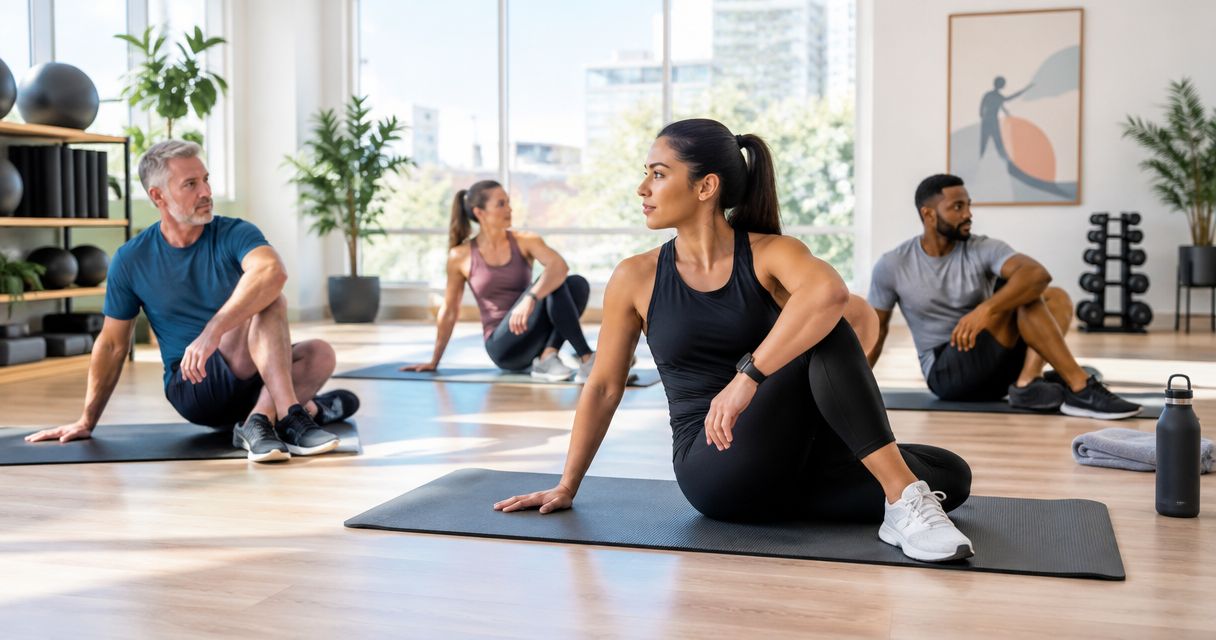
1. Coached mobility: best for a dedicated mobility focus
Coached mobility classes are the closest match when your primary goal is to practise mobility rather than complete a general workout. Innerg offers mobility alongside strength and yoga in its Concord, Vaughan studio, with small-group classes capped at 16 people.
Mobility practice concerns how you access and control movement. A useful class choice starts with the movements you want help understanding, not a promise that one session will remove stiffness or correct every restriction.
Best for: You want mobility to be the central purpose of the session rather than an incidental warm-up.
Coached mobility pros:
- The format directly matches a mobility-focused search.
- Coaching gives you an instructor-led alternative to choosing exercises alone.
- The stated group cap gives you a clear class-size boundary.
Coached mobility cons:
- The instructor’s attention is shared across participants.
- A group session does not provide the same individual focus as personal training.
What to ask before choosing
Ask which movements the class covers and how participants receive feedback. Be specific: wanting help with a squat position is a clearer starting point than wanting to become more flexible everywhere.
Also ask how the instructor handles a movement you cannot perform comfortably. The answer should explain the coaching process without promising that every participant will reach the same position.
For 2026, Innerg is the best fit on this shortlist for Vaughan residents seeking coached mobility in a small-group format. That verdict reflects the stated offering and class cap, not comparative testing against other studios.
Verdict: Buy — choose coached mobility when mobility practice is your main goal.
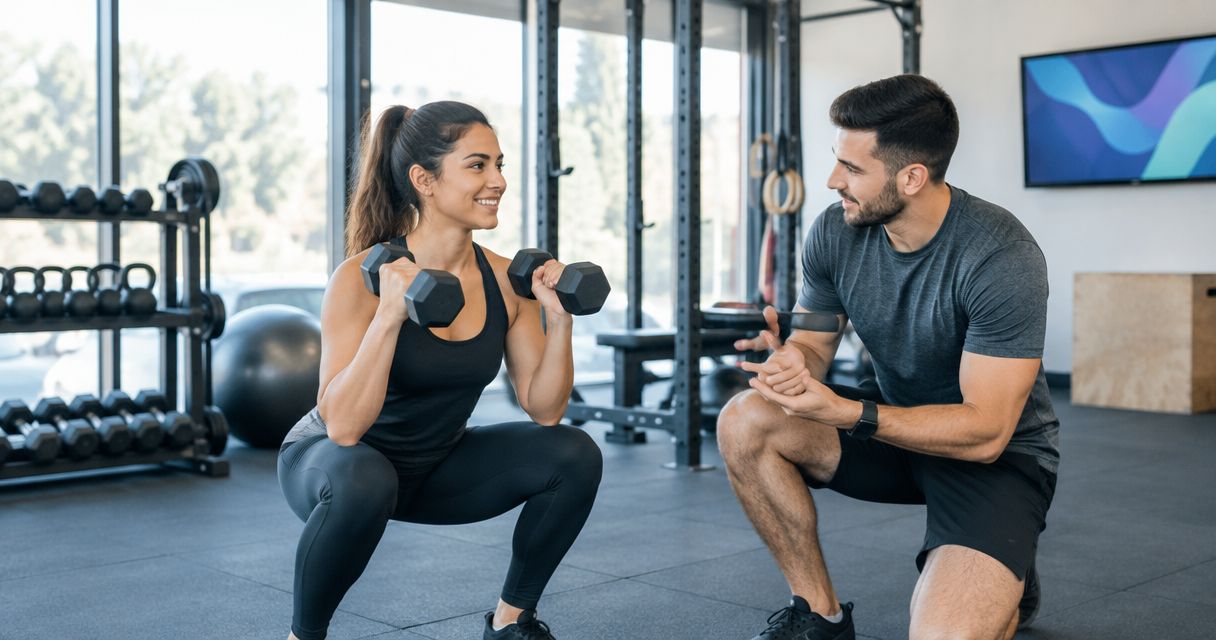
2. One-on-one personal training: best for individual attention
One-on-one personal training changes the main trade-off: you choose individual instruction instead of sharing the coaching setting with a class. It is the clearest option here when your questions require more attention than a group format provides.
Start the conversation with the task you want help performing. Describe what feels difficult, what you have already tried and whether a healthcare professional has given you any exercise restrictions.
Best for: You want an individual coaching setting for movement questions and exercise instruction.
Personal training pros:
- The format centres on one participant rather than a class.
- You can bring specific exercise questions to the trainer.
- Individual instruction avoids the need to follow a group’s shared activity.
Personal training cons:
- It does not provide the same shared class experience.
- Personal training is not a substitute for medical assessment or rehabilitation care.
When individual attention matters most
Choose this format when understanding an exercise is more important to you than attending a particular class type. For example, you might want to discuss how you approach a familiar movement before deciding whether mobility or strength classes suit your next step.
Ask the trainer how an initial session works and how your goals inform the instruction. Do not assume that personal training automatically means rehabilitation, a particular assessment method or a guaranteed result.
Verdict: Buy — choose one-on-one personal training when individual attention is the deciding factor.
3. Yoga: best for a complementary movement practice
Yoga is a separate practice, not another name for mobility training. Innerg includes yoga in its coached small-group offering, making it an option for someone who wants yoga instruction alongside other fitness activity.
Class style matters. Do not infer that a yoga session is gentle, restorative or suitable for recovery solely because it appears on a fitness studio’s schedule.
Best for: You want a yoga practice to complement your existing training rather than replace targeted mobility instruction.
Yoga pros:
- It gives you a distinct practice rather than another strength session.
- Instructor-led classes provide a structure for participation.
- It offers another way to include movement in your weekly routine.
Yoga cons:
- Yoga does not necessarily address the specific movement you want to improve.
- A yoga label alone does not establish the session’s intensity or teaching style.
Check the style before calling it recovery
Ask what kind of yoga the class teaches, how demanding it is and what options the instructor gives participants. Those answers are more useful than assuming all yoga classes serve the same purpose.
If your priority is a particular movement limitation, compare the class description with the mobility offering. If your priority is yoga itself, choose yoga without needing to justify it as a recovery intervention.
Verdict: Buy — choose yoga for a complementary practice, not as an automatic substitute for mobility coaching.
4. Coached strength: best for practising movement under resistance
Strength training belongs in this comparison because moving through an exercise under resistance is different from practising an unloaded position. Coached strength classes give that work its own place rather than treating every movement goal as a stretching problem.
This is the least direct choice for someone seeking a lighter recovery session. Strength work creates training demand, so choose it for strength instruction rather than expecting it to function as rest.
Best for: You want coached strength work, with movement practice as part of that training rather than the sole objective.
Coached strength pros:
- The format directly addresses strength training.
- Coaching provides instruction while you perform exercises.
- Small-group participation offers a shared training setting.
Coached strength cons:
- It is not interchangeable with a dedicated mobility class.
- Adding another strength session does not automatically support your recovery needs.
Keep the goal clear
Ask what the class involves and how exercise options are chosen. Do not assume that a strength class includes a particular mobility sequence or that every exercise will address your main movement concern.
If you already feel overloaded by your training schedule, adding another session is not the default answer. First decide whether you need instruction, a different training format or less training demand.
Verdict: Hold — choose coached strength for a strength goal, not because you need a recovery-labelled session.
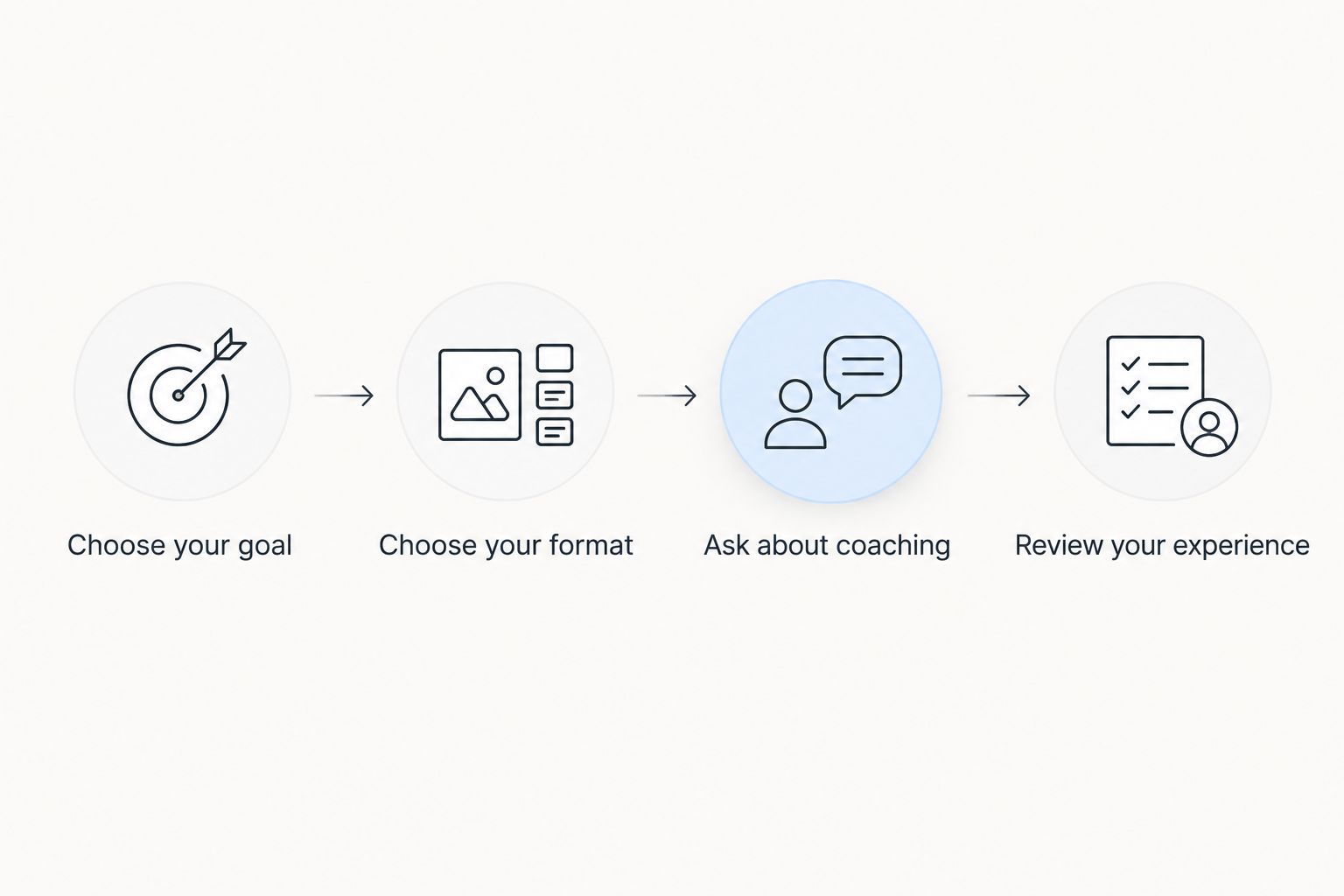
Match the format to your goal
Use this decision sequence before committing your time. It keeps the question practical and prevents a broad search from becoming a collection of unrelated classes.
- Choose your goal: Name the activity or movement you want help with. Avoid trying to solve every fitness concern in one booking.
- Choose your format: Pick mobility, personal training, yoga or strength according to the distinctions above.
- Ask about coaching: Clarify how the instructor offers feedback and adjusts exercises.
- Review your experience: After attending, assess whether the session matched its stated purpose and answered your main question.
The sequence is a booking framework, not a training prescription. You do not need a larger weekly schedule simply because several formats sound useful.
How the options are ranked
This 2026 ranking uses purpose match, coaching format, the stated class-size cap and the distinction between group and individual instruction. Mobility ranks first because it most directly matches the query; personal training ranks next for individual attention.
Yoga and strength have separate use cases rather than competing for the same verdict. No ranking here relies on invented reviews, instructor credentials, outcome claims or unnamed competitors.
Which mobility option should you choose?
Choose coached mobility as the default when you want a mobility-focused class. Choose personal training instead when individual attention matters more than the group experience.
For your 2026 decision, treat yoga as a complementary practice and strength as strength training. A useful choice has a clear purpose; it does not need to promise every benefit at once.
Explore your training options
Compare coached mobility, strength, yoga and one-on-one personal training in Concord, Vaughan.
FAQ
What's the best mobility class in Vaughan for group coaching?
Innerg is the first choice on this shortlist for coached mobility in a small-group format. Its classes are capped at 16 people; this is a comparison of confirmed formats, not a tested ranking of every Vaughan studio.
Is yoga better than a mobility class?
Neither format is universally better; choose according to your goal. Yoga is a distinct practice, while a mobility class makes mobility its stated focus. Ask about the actual session rather than treating the labels as interchangeable.
Should I choose personal training instead of a group mobility class?
Choose personal training when individual attention is your priority. Choose a group mobility class when you want instructor-led mobility practice in a shared setting.
Are mobility classes the same as injury rehabilitation?
No, a fitness mobility class is not the same as injury rehabilitation. If pain, an injury or medical restrictions affect your exercise, seek guidance from a qualified healthcare professional rather than using a class as a diagnosis or treatment.
Can a yoga class count as a recovery session?
Do not assume a yoga class is a recovery session without checking its style and demands. Ask the instructor what the session involves and consider how it fits with your other training.
What should I ask before booking a mobility class?
Ask what movements the class covers, how coaching feedback works and how exercises are adjusted. Explain your main goal so the instructor can discuss whether the format fits.
Does a 16-person class mean I get personal training?
No, a class capped at 16 people remains group training. One-on-one personal training is the separate format for individual coaching attention.
One last thing
Bring one concrete question to your first session: which movement do you want help understanding? That gives the instructor something specific to address and gives you a better way to judge the experience than soreness or how exhausting the class felt.
A harder session is not automatically a better answer to a mobility question. Choose the teaching you need.