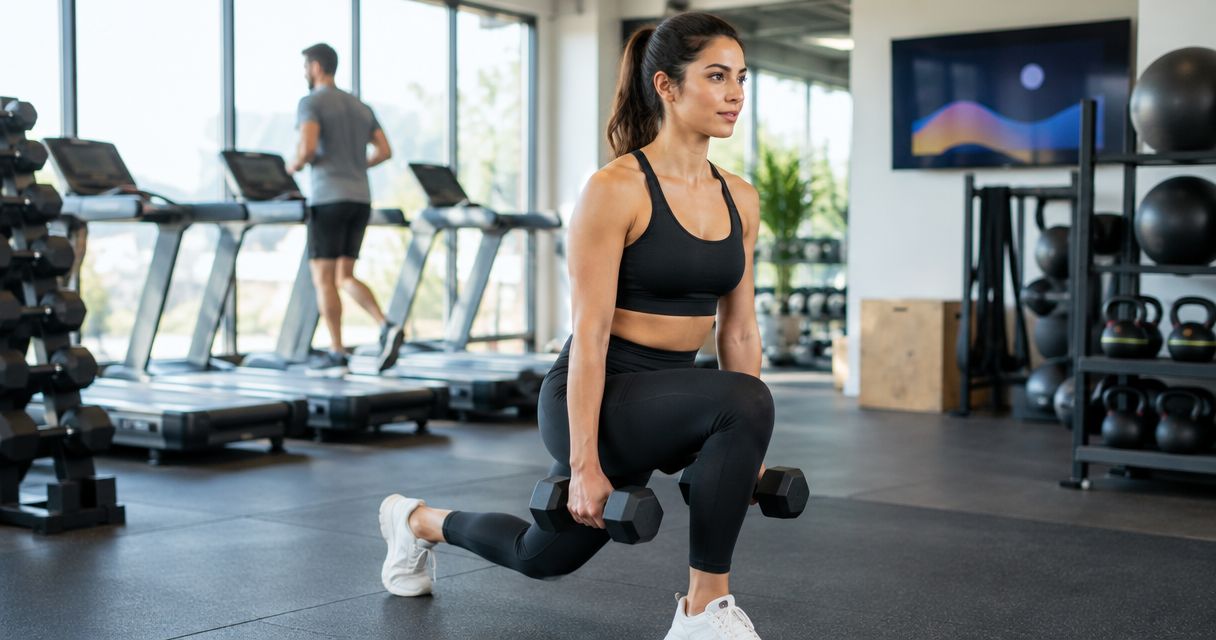
Best for coached small-group strength: Innerg. Best for individual instruction: one-on-one personal training. Best for experienced, self-directed lifters: an independent strength-gym routine. This 2026 Vaughan guide compares these routes to building muscle, plus a strength-and-mobility approach, so you can choose the training environment that fits your needs.
- Best gym for building muscle Vaughan: Innerg is a strong fit for adults seeking coached small-group strength training.
- Choose one-on-one personal training when individual instruction matters more than a group setting.
- Choose independent strength training when you can manage exercise selection, technique and progression yourself.
- Use mobility and yoga alongside resistance training, not as substitutes for your muscle-building sessions.
Why this matters
Choosing a gym for muscle growth means choosing how you will train, not just where. Equipment matters, but your decision also needs to account for instruction, repeatable exercises and a practical way to increase training demands.
For your 2026 shortlist, separate the facility from the training format. A coached class, a personal-training appointment and an independent workout place different responsibilities on you. The best fit is the one that gives you enough support to train consistently without buying a level of supervision you do not need.
This guide ranks training approaches rather than presenting different services as separate Vaughan businesses. The local studio details cover coached strength, mobility and yoga in Concord, Vaughan, with classes capped at 16 people and one-on-one personal training.
What makes the best gym for building muscle?
Use these criteria before comparing memberships or committing to a routine:
- Repeatable strength training: You need exercises you can revisit and compare, rather than judging every session by novelty or exhaustion.
- A progression method: Ask how you will track resistance, repetitions and exercise difficulty. A harder-feeling workout is not automatically evidence of progress.
- Appropriate instruction: Choose between shared coaching and individual attention based on your confidence with exercise technique.
- Suitable exercise options: Ask whether the training allows you to work your major muscle groups and adjust movements to your current ability.
- A workable routine: Pick sessions you can realistically attend. A training plan you repeatedly miss is not a useful plan.
- Clear boundaries: Understand what the service includes. Group coaching is not the same arrangement as one-on-one personal training.
Choose the level of coaching first, then compare the setting. That order prevents an impressive facility from distracting you from the support you actually need.
Muscle-building options at a glance
| Option | Best for | Standout feature | Key limitation |
|---|---|---|---|
| Innerg coached small-group strength | Adults who want instruction in a group | Coached strength classes capped at 16 people | Coaching attention is shared |
| One-on-one personal training | Lifters who want individual instruction | A dedicated trainer-client format | You still need a repeatable training plan |
| Independent strength-gym routine | Experienced, self-directed lifters | Control over your exercise selection and progression | You manage technique and programming |
| Strength training with mobility or yoga | Lifters who also want movement-focused sessions | Separate strength and movement priorities | Mobility or yoga does not replace resistance training |
The table compares formats, not guaranteed outcomes. None removes the need to train consistently, recover between sessions and follow a progression appropriate to your ability.
1. Innerg: best for coached small-group strength
Innerg offers coached strength, mobility and yoga classes in Concord, Vaughan, with classes capped at 16 people. The studio also offers one-on-one personal training, giving you a separate option when group instruction is not the right fit.
Best for: Local adults who want coached strength training without choosing a one-on-one format.
The clearest reason to consider this option is the combination of strength instruction and a defined class cap. That cap describes the group size; it does not mean the session becomes personal training. Your decision should turn on whether shared instruction gives you enough support.
Small-group strength pros:
- Coached strength training is an explicitly offered service.
- The 16-person class cap sets a clear upper limit on group size.
- Mobility and yoga are also offered at the studio.
- One-on-one personal training is a separate option.
Small-group strength cons:
- You share coaching attention with other participants.
- A class cap alone does not establish how muscle-building progression is organised.
- The group format is not the same service as an individual appointment.
Before choosing, ask how strength classes handle exercise repetition and progress tracking. Ask what happens when you need a different movement or a different level of difficulty. These questions establish whether the class structure matches your goal without assuming that every strength class follows the same method.
Verdict: Buy into this format if you want coached strength training in a capped group; choose individual training if shared attention is not enough.
2. One-on-one personal training: best for individual instruction
One-on-one personal training puts you and a trainer in an individual session rather than a shared class. It is the most direct format to consider when you want exercise instruction focused on you.
Best for: Beginners seeking individual guidance, or experienced lifters who want a trainer to examine a specific training problem.
For a muscle-building goal, ask the trainer to explain how sessions connect. An individual appointment is a delivery format, not proof of a particular programme. You still need clarity on exercise selection, progression and what to do between appointments.
One-on-one personal training pros:
- Instruction takes place in an individual setting.
- You can bring your own technique and programming questions to the session.
- The format gives you a clear person to discuss your training plan with.
One-on-one personal training cons:
- Individual attention does not replace your own consistency.
- You need to clarify whether independent workouts form part of the plan.
- A personal-training label alone does not describe the trainer's programming approach.
Start with your actual difficulty. If you cannot confidently set up an exercise, ask for instruction. If you already train but cannot explain how your routine progresses, ask for a programming discussion. Those are different needs, and your choice should reflect that distinction.
Verdict: Buy if individual instruction is your priority; hold until you understand how the sessions support a repeatable strength plan.
3. Independent strength training: best for self-directed lifters
An independent strength-gym routine means you choose and perform your workouts without a coach directing each session. This option fits lifters who already understand their exercise choices and can manage progression themselves.
Best for: Experienced lifters who prefer control over their training and do not need regular exercise instruction.
For your 2026 comparison, inspect the training setup against your actual routine. Write down the movements you intend to perform, then check whether the facility supports them. Do not substitute a long equipment list for that practical check.
Independent strength-training pros:
- You control exercise order and selection.
- You can repeat a routine without following a group class plan.
- You decide how to record and review your training.
Independent strength-training cons:
- You are responsible for recognising technique problems.
- You must decide when and how to change training demands.
- Without a written routine, session-to-session comparisons become difficult.
Before committing, explain your programme to yourself in plain language: which movements you repeat, what you record and what would justify a change. If those answers are unclear, instruction is a more useful next step than simply adding equipment choices.
Verdict: Buy if you can manage your own training; skip this format as your default if you need regular coaching.
4. Strength plus mobility: best for mixed training priorities
A strength-and-mobility approach keeps resistance training central while making room for mobility or yoga. It suits people who want to build muscle without making every session serve the same purpose.
Best for: Lifters who want strength work alongside a separate movement-focused practice.
The distinction matters: a mobility session and a strength session need not have the same objective. Judge each by its intended role rather than expecting stretching, movement practice and resistance exercise to be interchangeable.
Strength-plus-mobility pros:
- You can give strength and movement practice separate places in your routine.
- Different session types let you pursue more than one training interest.
- Keeping the roles explicit makes your weekly plan easier to evaluate.
Strength-plus-mobility cons:
- Mobility and yoga do not replace a muscle-building resistance programme.
- Adding session types makes scheduling more complicated.
- A mixed routine still needs a clear method for progressing strength work.
For example, you could plan 2 strength sessions per week and place a mobility session separately. Treat that as a scheduling example, not a universal muscle-building prescription. Your training history, recovery and programme determine the appropriate workload.
Verdict: Buy as a combined approach when you value both priorities; skip mobility-only training as your muscle-building plan.
How these options were ranked
The ranking prioritises instruction, repeatable strength work, progression and a manageable routine. Small-group coaching leads for readers who want guidance in a shared setting; individual training takes priority when personal attention matters most.
Independent training ranks behind coached options for someone seeking instruction, not because independent lifting is inherently less effective. Strength plus mobility serves a different priority: keeping resistance training alongside movement-focused sessions.
There is no universal winner for every Vaughan lifter in 2026. The useful comparison is how much responsibility you want to carry yourself, and which responsibilities you want a coach to help you manage.
Match the format to your next step
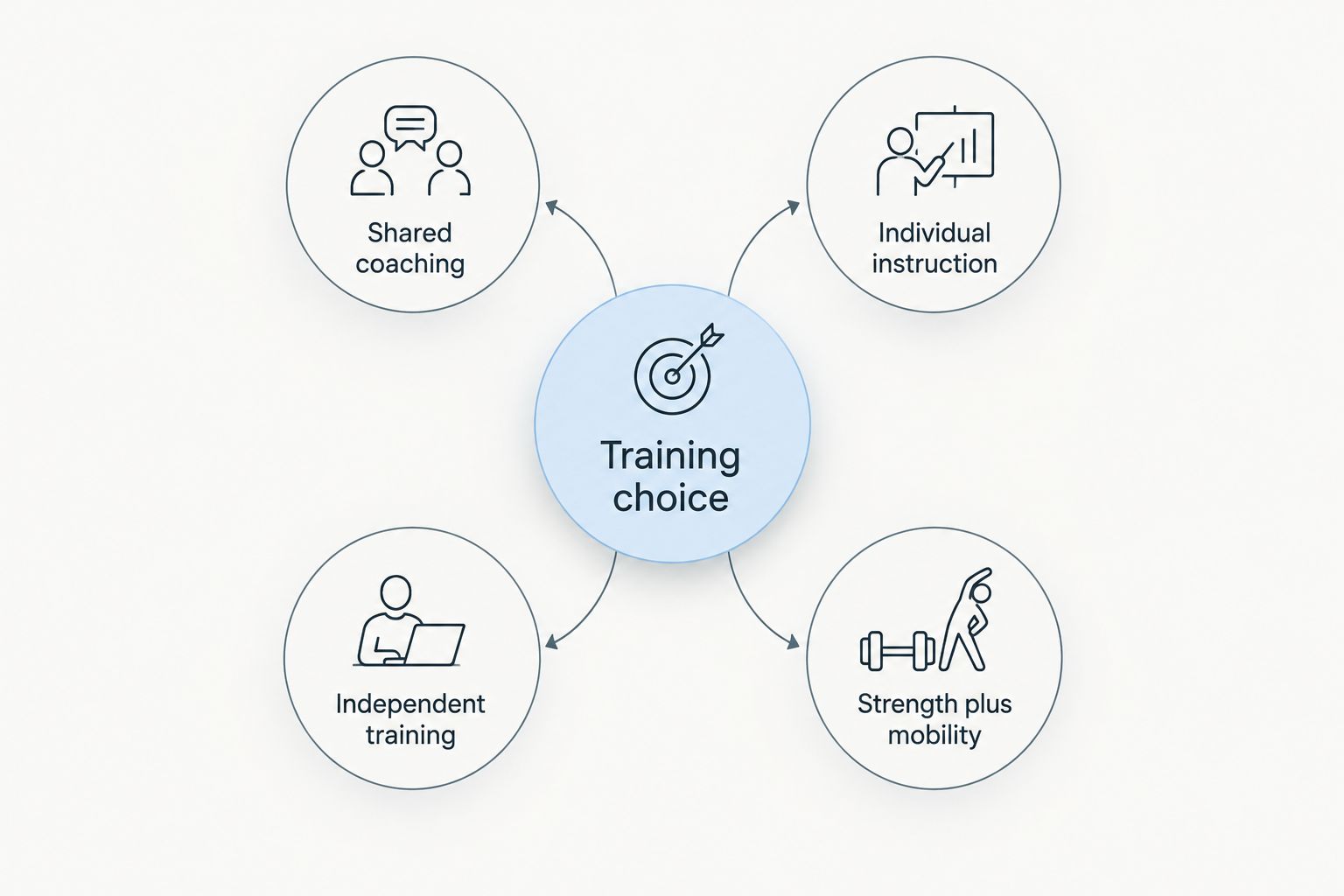
Use your biggest obstacle to narrow the choice:
- Shared coaching: Choose this when you want direction but are comfortable learning with other participants.
- Individual instruction: Choose this when your main questions need focused attention.
- Independent training: Choose this when you can explain and manage your own programme.
- Strength plus mobility: Choose this when resistance training and movement practice are separate priorities.
Before your first session, prepare 3 questions: What will I repeat? What will I record? How will I know when to progress? Clear answers matter more than a workout that merely feels difficult.
Which muscle-building option should you choose?
Innerg is best for Vaughan adults who want coached small-group strength training. Choose one-on-one personal training instead when you need individual instruction, or an independent routine when you already manage your training confidently.
Make your 2026 decision around the next few repeatable sessions, not an imagined perfect routine. Confirm the format, understand how progress is handled and choose a schedule you can keep.
Explore coached strength training
Review small-group strength and one-on-one personal training options in Concord, Vaughan.
FAQ
What's the best gym for building muscle in Vaughan?
Innerg is a strong choice for Vaughan adults seeking coached small-group strength training, with classes capped at 16 people. Choose according to your need for shared coaching, individual instruction or independent training.
Is small-group training better than personal training for muscle growth?
Small-group training is the better format when you want shared coaching; personal training is the better format when you want individual instruction. Neither format alone establishes how a programme handles muscle-building progression.
Can beginners build muscle in a group strength class?
Beginners can use group strength classes for resistance training when the exercises and instruction match their ability. Ask how the coach explains movements, adjusts difficulty and tracks progression.
How many days should I train to build muscle?
Your training frequency should match your programme, experience and recovery. A schedule of 2 strength sessions per week is one planning example, not a universal prescription for muscle growth.
Will yoga or mobility classes replace strength training?
Yoga or mobility classes should not replace a muscle-building resistance programme. Use them for their own training purposes while keeping progressive strength work in your routine.
What should I ask before joining a Vaughan gym?
Ask how you will repeat exercises, record training and progress the difficulty. Also clarify whether instruction is shared in a class or delivered one-on-one.
What should I track during strength workouts?
Record your exercises, resistance and repetitions so you can compare repeated sessions. Add notes about technique or exercise adjustments when those details affect the comparison.
One last thing
Exhaustion is not a training record. Before changing exercises because a workout feels familiar, check whether your technique, resistance or repetitions have improved. A familiar exercise gives you something to compare; novelty alone does not.